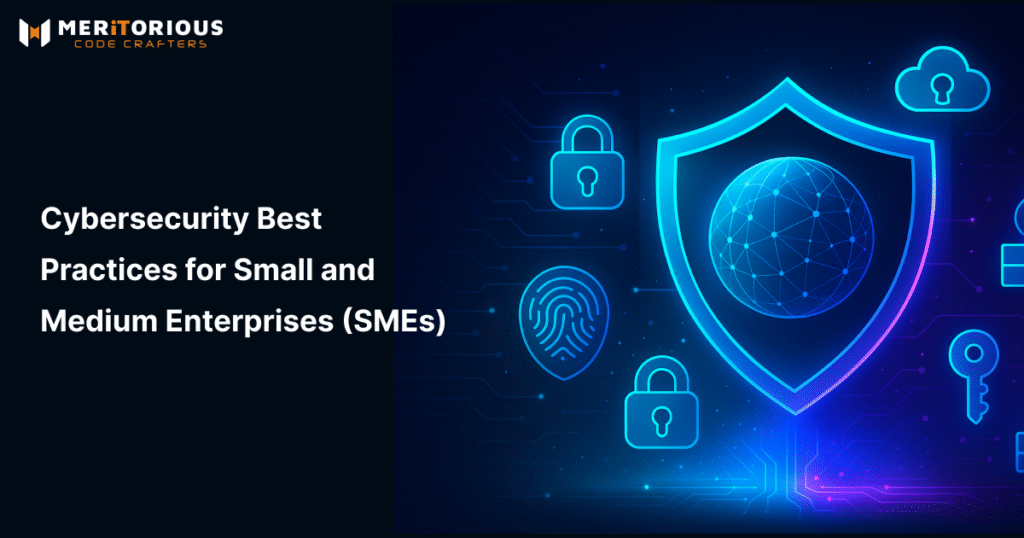
Cybersecurity is a critical concern for businesses of all sizes, but small and medium enterprises (SMEs) are often the most vulnerable. Limited resources and expertise can make it challenging for SMEs to defend against cyber threats. However, by implementing key cybersecurity best practices, SMEs can protect their data and ensure business continuity.
1. Conduct Regular Risk Assessments
- The first step in building a robust cybersecurity strategy is understanding the risks. Regular risk assessments help identify potential vulnerabilities in your IT infrastructure, from outdated software to unsecured networks. By recognizing these risks, you can prioritize and address them before they are exploited.
2. Implement Strong Password Policies
- Weak passwords are one of the most common entry points for cybercriminals. Implementing strong password policies, including the use of complex passwords and multi-factor authentication (MFA), can significantly reduce the risk of unauthorized access to your systems.
3. Educate and Train Employees
- Human error is a major factor in many cybersecurity breaches. Regular training sessions can help employees recognize phishing attempts, use secure browsing practices, and understand the importance of data protection. An informed workforce is your first line of defense against cyber threats.
4. Keep Software and Systems Updated
- Cybercriminals often exploit vulnerabilities in outdated software and systems. Ensure that all software, including operating systems and applications, is regularly updated with the latest security patches. Automatic updates can help ensure you don’t miss critical patches.
5. Backup Data Regularly
- Regular data backups are essential for recovering from cyber attacks like ransomware. Ensure that your backups are stored securely and that you can restore them quickly in case of an incident. Testing your backup and recovery procedures regularly will ensure they work when you need them most.
6. Use Firewalls and Antivirus Software & Cybersecurity
- Firewalls and antivirus software are fundamental components of a strong cybersecurity defense. Ensure that these tools are properly configured and updated to protect against the latest threats. Consider investing in advanced threat detection systems that use AI to identify and respond to new types of attacks.
7. Develop an Incident Response Plan
- Despite your best efforts, breaches can still occur. Having a well-defined incident response plan in place ensures that you can respond quickly and effectively to minimize damage. Your plan should include steps for containing the breach, assessing the damage, notifying affected parties, and restoring systems.
Conclusion Cybersecurity is an ongoing challenge for SMEs, but by implementing these best practices, you can significantly reduce your risk of falling victim to a cyber attack. Protecting your data and systems is not just about technology; it’s about creating a culture of security awareness within your organization.